
Menu

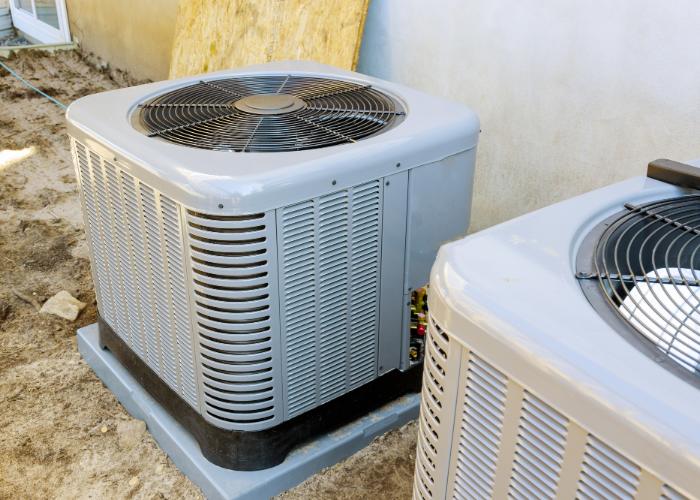
If you live in New Jersey, choosing between a ductless mini split and a central air system affects more than just comfort; it influences energy costs, home resale value, and eligibility for valuable PSE&G rebates and federal tax credits.
Whether your home is a 100-year-old colonial or a newer construction, understanding how each system performs in our NJ climate is essential.
At Alliance Service Pros, we specialize in AC replacement and installation throughout New Jersey, helping homeowners choose the right system for their space, energy goals, and budget—learn more about our AC replacement services.
| Feature | Ductless Mini Split | Central Air |
| Ductwork | Not required | Required |
| Installation Cost (Average) | $7,500–$12,000 (2 zones) | $5,500–$7,000 (with ducts) |
| Energy Efficiency | Very high (SEER2 20–30+) | Moderate to high (SEER2 14–18) |
| Rebate Eligibility | Yes – PSE&G, NJNG, Federal | Yes – Same programs |
| Best For | Homes w/o ducts | Home w/ existing ductwork |
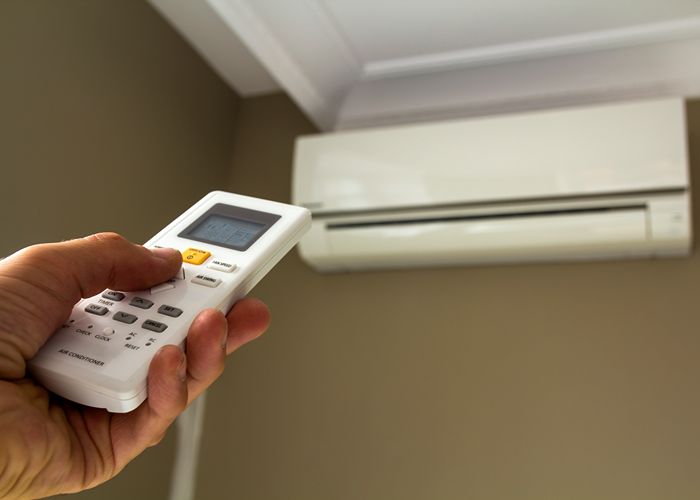
How It Works: A ductless mini split uses an outdoor heat pump connected to one or more indoor units. Each indoor unit operates independently, offering room-by-room temperature control.
Advantages:
Potential Drawbacks:
Local Tip: Mini splits are especially popular in New Jersey’s coastal towns, where ductwork is prone to corrosion and retrofitting is difficult or expensive.
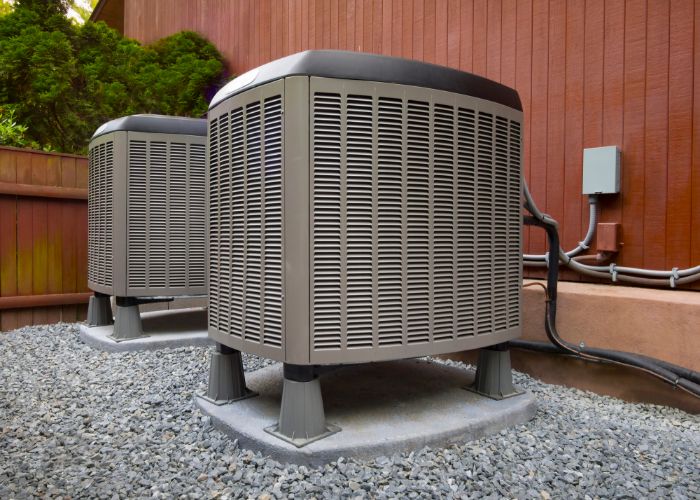
How It Works: Central air conditioning systems utilize a single outdoor condenser unit connected to an indoor air handler. The system cools air at a central point, then distributes it through ductwork to each room in the home. This setup provides whole-home comfort using a single, integrated system.
Advantages:
Potential Drawbacks:
Both systems require upkeep, but the type and frequency can vary:
Mini Split Maintenance:
Central Air Maintenance:
Tip: Ductless systems tend to be easier for DIY upkeep, while central air relies more heavily on duct integrity for performance.

Noise can be a significant factor, especially for home offices, nurseries, or individuals with light sleep.
Mini Split Sound Levels:
Central Air Sound Levels:
Bottom Line: If quiet operation is a priority, mini-splits have a clear edge.
| System. | Installation Cost. | After Rebates. |
| Mini Split (2 zones) | $7,500–$12,000 | $5,000–$8,500 |
| Central Air (3-ton) | $5,500–$9,000 (with ducts) | $4,000–$7,000 |
Costs vary by home size, insulation, system efficiency, and installation complexity. Multi-zone mini splits typically cost more upfront but often result in larger long-term savings through lower energy bills.
Whether you choose a mini split or a central air system, you may qualify for generous incentives:
To receive these rebates, your system must meet SEER2 efficiency standards and be installed by a certified contractor.
Energy efficiency isn’t just about SEER2 ratings—it translates into monthly savings, especially during hot, humid New Jersey summers.
Mini Split Systems:
Central Air Systems:
Note: NJ homeowners may also qualify for lower utility rates by reducing summer peak demand, another reason efficiency matters.
Choosing between a ductless mini-split and a central air system for AC installation comes down to your home’s layout, comfort preferences, and long-term energy goals. If flexibility, zoned temperature control, and high energy efficiency are your top priorities—especially in homes without existing ductwork—a mini split is likely the better fit. These systems offer quiet operation, lower monthly bills, and easier maintenance, making them ideal for finished basements, bedrooms, home offices, or older NJ homes where installing ducts isn’t practical.
On the other hand, if your home already has ductwork and you’re looking for uniform cooling with a more traditional setup, central air may be the more cost-effective and straightforward solution. It delivers whole-home comfort through hidden vents and a single thermostat, with less visible equipment throughout your space.
Do mini splits work in cold New Jersey winters?
Yes. Modern cold-climate heat pumps can heat efficiently in temperatures well below freezing.
Which systems qualify for NJ rebates?
Both mini splits and central air qualify for rebates, as long as they meet the SEER 2 and ENERGY STAR standards.
How long does installation take?
Still deciding between ductless and central air? Alliance Service Pros offers free estimates and full rebate guidance for New Jersey homeowners.
As certified HVAC contractors for PSE&G and NJ rebate programs, we help you choose the right system, maximize your incentives, and ensure professional installation.
Contact us today to get a customized quote for your home!
